

Are Tiles Porous? What Every Homeowner, Builder, and Developer in Ghana Should Know
When choosing tiles for homes, offices, hotels, or commercial buildings in Ghana, most people focus on color, size, and design. While appearance matters, there is a technical factor that directly affects durability, hygiene, and long-term cost:
Are tiles porous?
In a tropical climate like Ghana, where humidity, heat, and heavy usage are common, tile porosity is not just a technical detail. It is a critical performance factor.
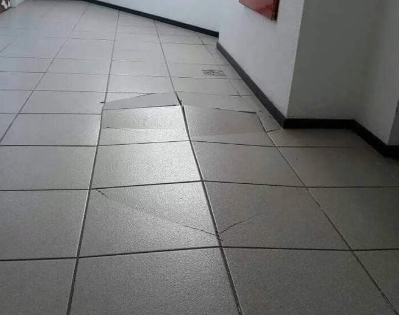
What Does "Porous" Mean in Tiles?
Porosity refers to a tile's ability to absorb water, moisture, oils, or other liquids.
A porous tile has microscopic openings that allow liquids to penetrate the surface. A non-porous or low-porosity tile resists absorption, making it easier to clean and maintain.
Understanding tile porosity helps you:
• Prevent water damage and staining
• Choose the right tile for bathrooms, kitchens, and outdoor areas
• Reduce cleaning, repairs, and long-term maintenance costs
Are All Tiles Porous?
No. Tile porosity depends on the material composition, the manufacturing and firing temperature, and whether the tile is glazed or unglazed.
Below is a practical breakdown of common tile types used in Ghana.
Ceramic Tiles: Moderately Porous
Ceramic tiles are made from natural clay and fired at lower temperatures than porcelain.
• Unglazed ceramic tiles are porous and must be sealed to prevent water absorption.
• Glazed ceramic tiles have a glass-like surface that significantly reduces porosity.
Best applications in Ghana:
Interior wall tiles, bedrooms and living areas, and low-traffic spaces with minimal water exposure.
Typical examples:
Glossy wall tiles, decorative ceramic wall collections
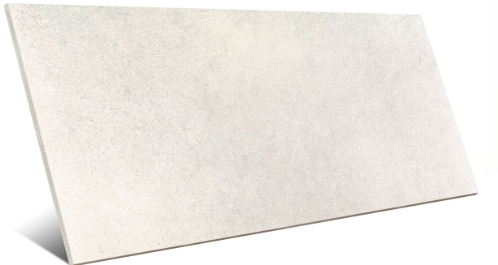
Porcelain Tiles: Low to Non-Porous
Porcelain tiles are denser and more refined than standard ceramic tiles. They are fired at very high temperatures (above 1200°C) using fine clay such as kaolin.
• Water absorption is less than 0.5%
• Highly resistant to moisture, stains, and wear
Pro Tip:
For Ghanaian homes and commercial projects, porcelain tiles offer the best balance of durability, hygiene, and low maintenance.
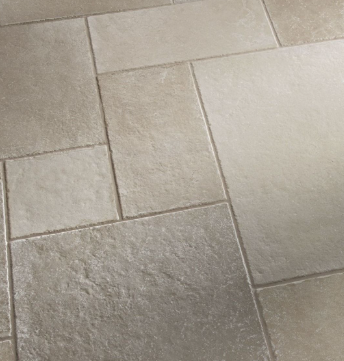
Natural Stone Tiles: Highly Porous
Natural stone tiles are elegant but naturally porous.
Common examples include
Marble, Limestone, Travertine, and Slate.
Without proper sealing, these tiles can absorb water, oil, and stains, especially in humid or high-use areas.
Best applications:
Feature walls, reception areas, low-humidity indoor spaces, and areas where periodic sealing is acceptable.
Glazed vs. Unglazed Tiles
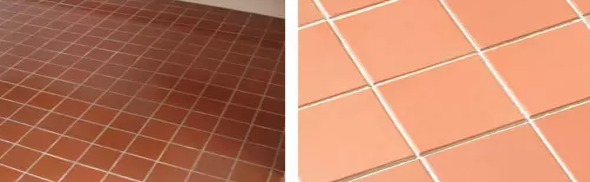
Why It Matters
• Glazed tiles have a protective coating that resists moisture and staining.
• Unglazed tiles rely on natural density and almost always require sealing.
Even low-porosity tiles can become vulnerable if the glaze cracks or wears away, exposing the tile body underneath.
An Important Detail Many People Forget: Grout
Grout is almost always porous. Even when using non-porous tiles, grout lines can absorb moisture, trap dirt and bacteria, and discolor over time.
Best practice for Ghanaian conditions:
Seal grout after installation
Clean regularly with appropriate products
Reapply sealant periodically, especially in bathrooms and kitchens
Why Tile Porosity Matters in Ghana
Using the wrong tile in the wrong space can result in mold and mildew growth, water damage, frequent cleaning and repairs, and reduced tile lifespan.
Common mistakes:
Unsealed porous tiles in bathrooms → moisture damage
Porous tiles in kitchens → oil and food stains
Porous tiles outdoors → cracking due to water absorption and temperature changes
How to Manage Porous Tiles Effectively
If you prefer the look of porous tiles, proper care makes them practical:
Seal the tiles properly: Use high-quality penetrating or surface sealants.
Seal the grout: This is just as important as sealing the tile itself.
Clean spills immediately: Especially oils, acids, and colored liquids.
Use suitable cleaning products: Avoid harsh chemicals that damage sealants.
How to Tell If a Tile Is Porous
A simple water test: Place a few drops of water on the tile surface. If the water darkens the tile or is absorbed by it, the tile is porous. If the water beads up, the tile is sealed or non-porous.
Final Thoughts: Are Tiles Porous?
Some tiles are porous; others are almost non-porous, and Grout is nearly always porous
Understanding tile porosity helps you make informed decisions, reduce maintenance costs, and enjoy long-lasting floors and walls.
At Vivienda, we import and distribute a wide range of high-quality ceramic and porcelain tiles suitable for Ghana's climate and building needs. Our team works closely with homeowners, architects, contractors, and developers to help them select tiles that combine performance, durability, and design without costly mistakes.